Onions: The Underrated Superfood – Health Benefits, Side Effects, and Culinary Versatility
Onions are a staple in kitchens around the world. Whether used in savory dishes, as a garnish, or even in health remedies, these humble bulbs pack a punch. Not only do they enhance the flavor of meals, but onions are also bursting with nutrients and health benefits. In this post, we’ll explore the various advantages of incorporating onions into your diet, potential side effects, and different ways to prepare and use them.
Health Benefits of Onions
- Rich in Nutrients Onions are a great source of vitamins and minerals, including vitamin C, B vitamins (like folate and B6), potassium, and antioxidants. They’re low in calories but high in nutrients, making them a healthy addition to any meal.
- Supports Heart Health Onions have been shown to have positive effects on cardiovascular health. The sulfur compounds and antioxidants found in onions help reduce inflammation, lower cholesterol, and improve blood circulation, all of which contribute to a healthier heart. Studies have suggested that regularly consuming onions can help reduce the risk of heart disease and stroke.
- Anti-Inflammatory Properties Onions are rich in quercetin, a potent antioxidant and anti-inflammatory compound. Quercetin can help reduce inflammation in the body, which may aid in managing conditions like arthritis, asthma, and other inflammatory diseases.
- Improves Digestive Health Onions contain a type of soluble fiber called inulin. Inulin acts as a prebiotic, promoting the growth of healthy gut bacteria. A healthy gut microbiome is essential for good digestion, improved immune function, and even mental health.
- Blood Sugar Regulation Onions may help with blood sugar control. Some studies suggest that onions can increase insulin sensitivity and regulate blood sugar levels, making them beneficial for people with diabetes or those at risk of developing the condition.
- Boosts Immunity Due to their high levels of vitamin C and other antioxidants, onions help strengthen the immune system. They fight off free radicals, which can damage cells, and help the body fend off infections more effectively.
- Cancer-Fighting Properties Onions are part of the allium family, which includes garlic, leeks, and chives. These foods have been linked to a lower risk of certain cancers, such as stomach and colorectal cancers. The sulfur compounds and antioxidants in onions are believed to inhibit the growth of cancer cells.
- Supports Bone Health Onions may improve bone density. Some studies have shown that the sulfur compounds in onions can help increase bone mineral density and reduce the risk of osteoporosis, particularly in older adults.
Possible Side Effects of Onions
While onions offer numerous health benefits, consuming them in large amounts can lead to some unpleasant side effects for certain individuals:
- Digestive Issues Onions can cause bloating, gas, and other digestive discomforts, especially in people with sensitive stomachs or those with conditions like irritable bowel syndrome (IBS). This is due to the fructans (a type of carbohydrate) in onions that can ferment in the gut, causing gas and bloating.
- Allergic Reactions Some people may be allergic to onions, experiencing symptoms like itching, hives, or digestive distress. This is more common in those who are sensitive to other members of the allium family, such as garlic or leeks.
- Heartburn and Acid Reflux Onions, especially raw onions, can trigger acid reflux or heartburn in some people, as they may relax the lower esophageal sphincter, allowing stomach acids to flow back into the esophagus.
- Eye Irritation Cutting onions can cause the release of sulfuric compounds that irritate the eyes, leading to tears and discomfort. This is a well-known side effect that many people experience when preparing onions in the kitchen.
How to Prepare, Consume, and Use Onions
Onions are incredibly versatile in the kitchen. Whether raw, cooked, or used as a flavoring agent, there are numerous ways to incorporate onions into your meals:
1. Raw Onions
- Salads: Sliced raw onions can be added to fresh salads for a crunchy texture and sharp flavor.
- Sandwiches & Wraps: Raw onions add a flavorful bite to sandwiches, burgers, and wraps.
- Salsas and Dips: Raw onions are often included in salsas, guacamole, or as a topping for nachos.
2. Cooked Onions

- Sauteed: Sauteing onions in olive oil or butter is a classic preparation that brings out their natural sweetness. This method is ideal for adding depth of flavor to soups, stews, and sauces.
- Caramelized: Slowly cooking onions over low heat for an extended period transforms them into rich, sweet caramelized onions, which are perfect for topping burgers, pizzas, or mixing into French onion soup.
- Grilled: Grilling onions brings out their natural sweetness and adds a smoky flavor. You can grill them as whole slices or rings, or as part of a vegetable medley.
- Roasted: Roasting onions brings out their natural sugars and enhances their flavor. Toss them with olive oil, salt, and pepper, then roast them in the oven for a delicious side dish.
3. Onion Powder and Onion Flakes
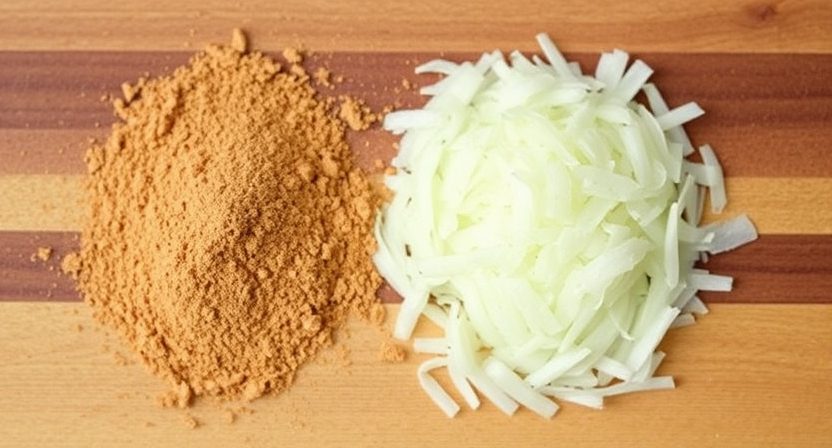
- Seasoning: Onion powder is a popular seasoning in many spice blends. It adds flavor without the moisture and bulk of fresh onions, making it great for rubs, dressings, or seasoning meat.
- Onion Flakes: These are often used in soups, stews, or sauces where you want a mild onion flavor without the texture of fresh onions.
4. Onion Juice
- Natural Remedy: Onion juice is often used as a home remedy for hair growth, skin conditions, and as a natural antiseptic. Some people drink small amounts of onion juice to help with respiratory issues or to boost immunity.
- Facial Masks: Due to its antibacterial properties, onion juice is sometimes used in skincare to treat acne or even lighten dark spots.
5. Pickled Onions
- Pickling: Pickled onions are a tangy, crunchy addition to salads, tacos, sandwiches, and charcuterie boards. They’re also often served as a side dish to rich or fatty meals to balance the flavors.
6. Onion Broth
- Soups and Stews: Onions are a key ingredient in many broth-based soups and stews. They create a savory base for the soup and help to balance the richness of the other ingredients.
Conclusion
Onions are a flavorful, nutrient-packed food that offers a wide range of health benefits. From improving heart health to aiding digestion and supporting the immune system, they are truly a superfood in disguise. However, it’s important to consume them in moderation, especially if you have sensitivities to sulfur compounds or suffer from digestive issues. Whether you enjoy them raw, sautéed, grilled, or roasted, onions can be incorporated into countless dishes, making them a must-have in your kitchen for both taste and health.