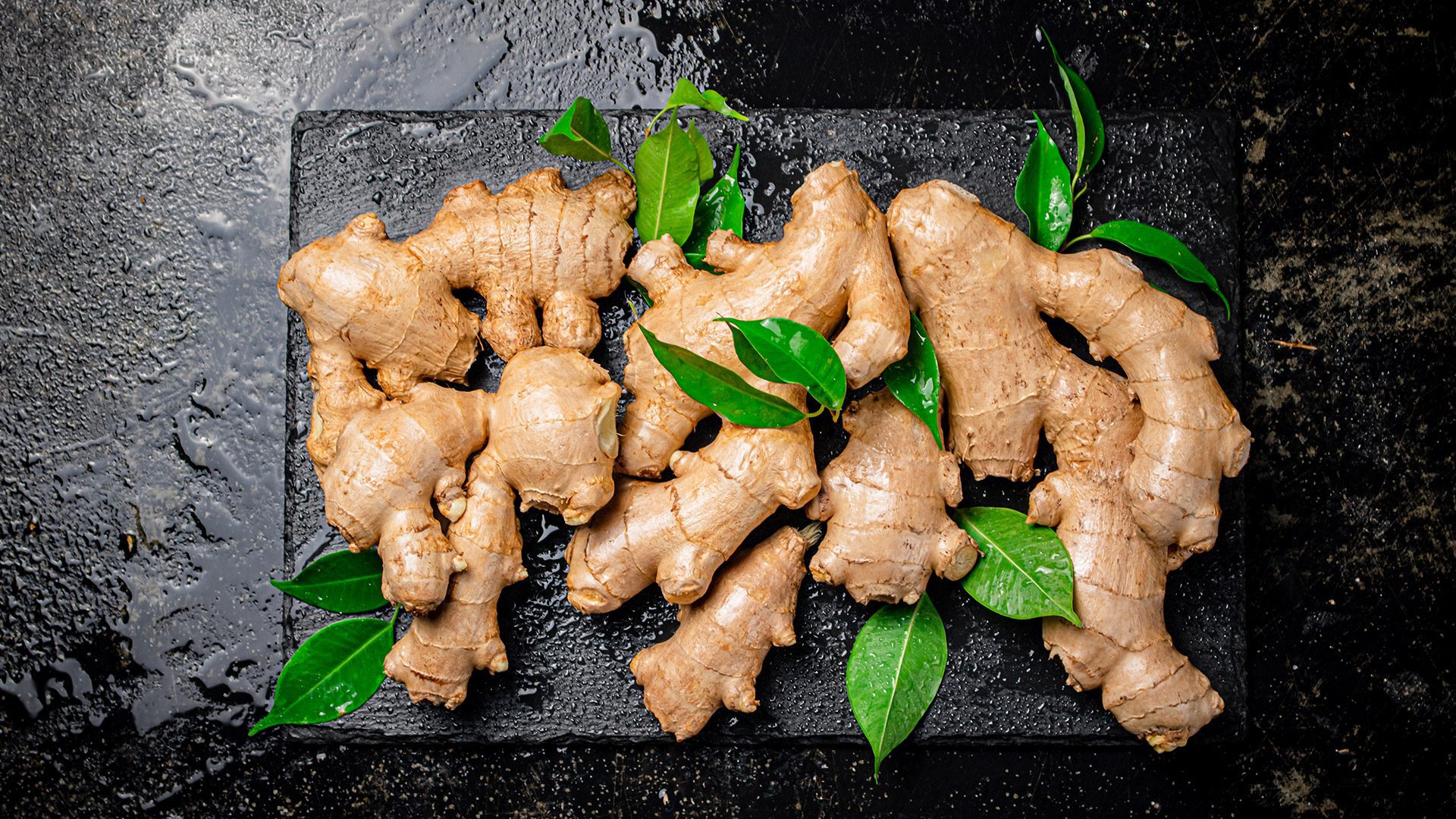
Introduction to Ginger
Ginger, scientifically known as Zingiber officinale, is a flowering plant whose root is widely used as a spice and medicinal remedy. Originating from Southeast Asia, this aromatic root has played a significant role in both culinary and healing traditions across the globe.
A Brief History of Ginger
Ginger has been cultivated and valued for over 5,000 years. Ancient texts from China and India praise it for its healing properties, while it became a highly sought-after commodity along ancient trade routes. During the Middle Ages, it was transported to Europe where it became a popular ingredient in cooking and medicine.
Where Is Ginger Grown?
Today, ginger is cultivated in tropical and subtropical regions around the world, including:
- Jamaica: Renowned for producing some of the finest ginger with a bold flavor.
- India: One of the largest global producers.
- China: A major exporter of ginger worldwide.
- Africa: Nigeria and Ethiopia have emerging ginger markets.
Best Seasons for Planting and Harvesting
- Planting Season: Early spring when temperatures are warm and frost risk is low.
- Harvest Season: Typically takes 8-10 months after planting, with harvests in late autumn or early winter when the leaves begin to yellow.
How to Prepare Ginger
Ginger can be prepared in various ways depending on its intended use:
- Fresh: Peel and grate or slice for use in teas, stir-fries, or marinades.
- Dried and Ground: Used in baking, curries, and spice blends.
- Candied: Boiled in sugar syrup and dried for sweet treats.
- Pickled: Common in Asian cuisine as a palate cleanser, especially with sushi.
- Juiced: Added to smoothies or wellness shots for a health boost.
Health Benefits of Ginger
Ginger is not just a flavorful spice—it’s a powerhouse of health benefits:
- Digestive Aid: Helps alleviate nausea, indigestion, and bloating.
- Anti-Inflammatory: Contains compounds like gingerol that reduce inflammation and pain.
- Immune Booster: Its antimicrobial properties help ward off infections.
- Pain Relief: Effective for muscle soreness and menstrual pain.
- Blood Sugar Regulation: May improve insulin sensitivity and lower blood sugar levels.
Noteworthy Facts About Ginger
- Medicinal Use: Ginger has been a staple in traditional medicine systems like Ayurveda and Traditional Chinese Medicine for centuries.
- Sustainability: Ginger farming is relatively eco-friendly, as it requires less pesticide use compared to many other crops.
- Versatility: From savory dishes to desserts and even skincare products, ginger is incredibly versatile.
Final Thoughts
Whether you’re looking to enhance your meals, boost your health, or explore natural remedies, ginger is a root worth incorporating into your daily life. Its rich history, global cultivation, and numerous health benefits make it a staple ingredient in kitchens and medicine cabinets worldwide.
Start your journey into the world of ginger today and experience its remarkable benefits firsthand!