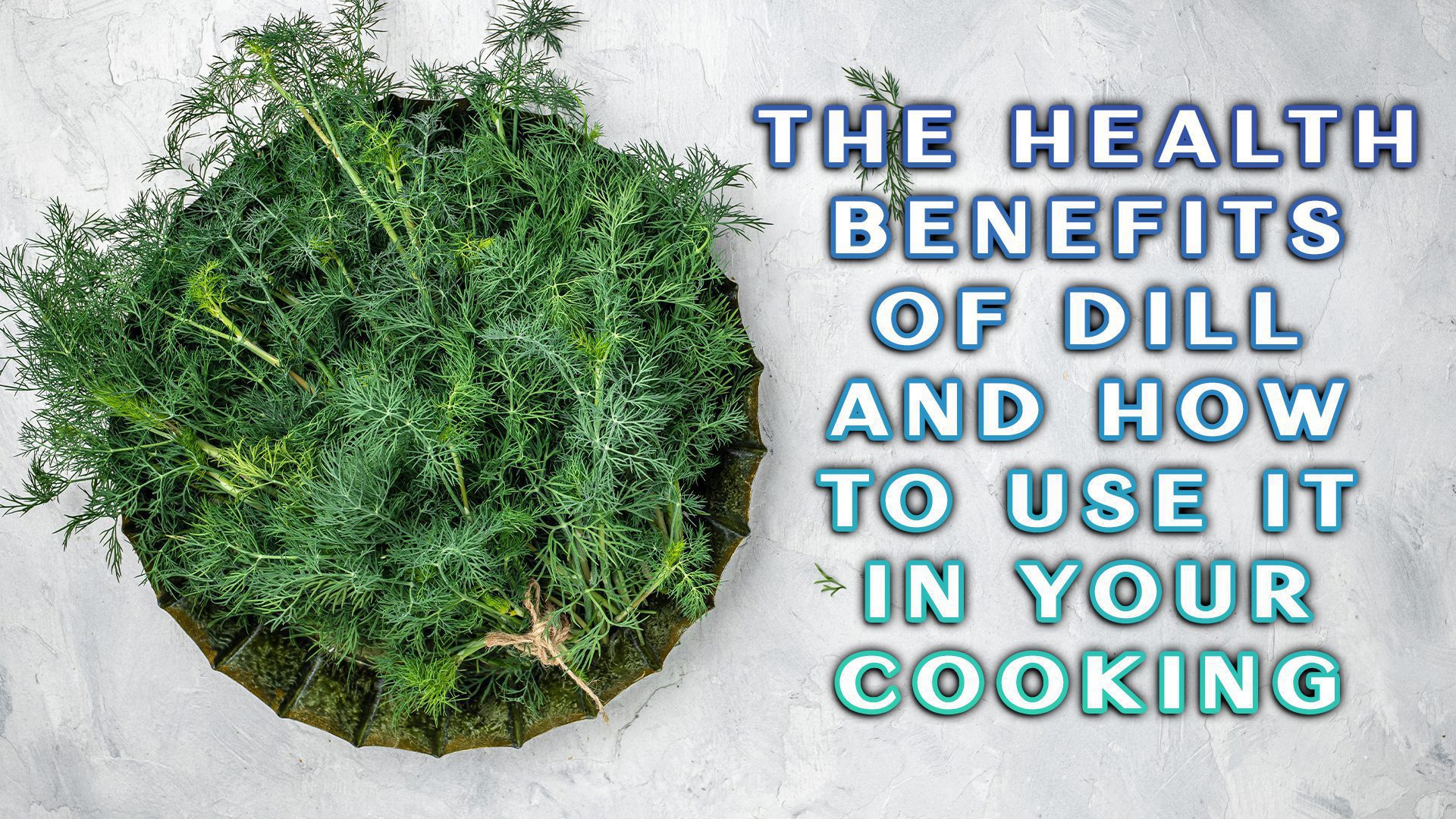
Have you ever wondered about the vibrant green herb garnishing your pickles or salmon dish? Dill, with its feathery fronds and fresh aroma, is far more than a decorative touch. This ancient herb, celebrated in cuisines from Eastern Europe to the Middle East, packs a punch of flavor and an impressive array of health benefits. Let’s dive into why dill deserves a prime spot in your kitchen—and your diet.
Health Benefits of Dill
- Nutrient-Rich Powerhouse
Dill is loaded with vitamins and minerals, including vitamin C (for immunity), vitamin A (for vision), and trace amounts of iron and manganese. Just a sprinkle can elevate the nutritional profile of any meal. - Antioxidant Champion
Rich in flavonoids and monoterpenes, dill fights free radicals, reducing oxidative stress and inflammation. These compounds may also offer antibacterial properties, supporting overall wellness. - Digestive Soother
Traditionally used to ease stomach discomfort, dill’s essential oils can help reduce bloating and gas. Consider sipping dill tea after meals for a calming effect. - Bone Health Booster
With a notable dose of vitamin K, dill aids in calcium absorption and promotes bone density—a small but mighty ally for long-term skeletal health. - Heart Health Helper
Early studies suggest dill’s antioxidants may help lower LDL cholesterol and reduce inflammation, contributing to a healthier cardiovascular system. - Blood Sugar Regulator
Compounds in dill might improve insulin sensitivity, making it a thoughtful addition to diets focused on balanced blood sugar levels.
How to Use Dill in Your Cooking
- Fresh vs. Dried
Fresh dill (delicate, grassy) shines in cold dishes, while dried dill (more concentrated) works well in soups and stews. Add fresh leaves at the end of cooking to preserve flavor. - Classic Pairings
- Pickles: The star of dill pickles.
- Seafood: Pair with salmon, trout, or shrimp.
- Dips & Dressings: Mix into tzatziki, yogurt sauces, or vinaigrettes.
- Vegetables: Toss with roasted carrots, potatoes, or cucumber salads.
- Global Flavors
- Eastern Europe: Swirl into borscht or garnish pierogies.
- Scandinavia: Use in gravlax or herring dishes.
- Middle East: Enhance rice pilafs or lentil soups.
- Pro Tips
- Storage: Keep fresh dill in the fridge, stems in water, or wrapped in a damp cloth.
- Seeds: Toast dill seeds for a bold spice in breads or curries.
Conclusion
Dill’s bright flavor and health-boosting properties make it a kitchen essential. Whether you’re garnishing a dish or crafting a marinade, this versatile herb can transform everyday meals into nutrient-rich experiences. Ready to experiment? Grab a bunch of dill and let your culinary creativity bloom!
Explore more tips and recipes at Zaken Media—where flavor meets wellness.