Mint, a member of the Lamiaceae family, has been cherished for thousands of years for its refreshing flavor, aromatic qualities, and diverse uses in culinary, medicinal, and cosmetic applications. Whether you’re a home gardener or a commercial producer, understanding the cultivation, harvesting, and health benefits of mint can help you make the most of this versatile herb.
Where Is Mint Grown?
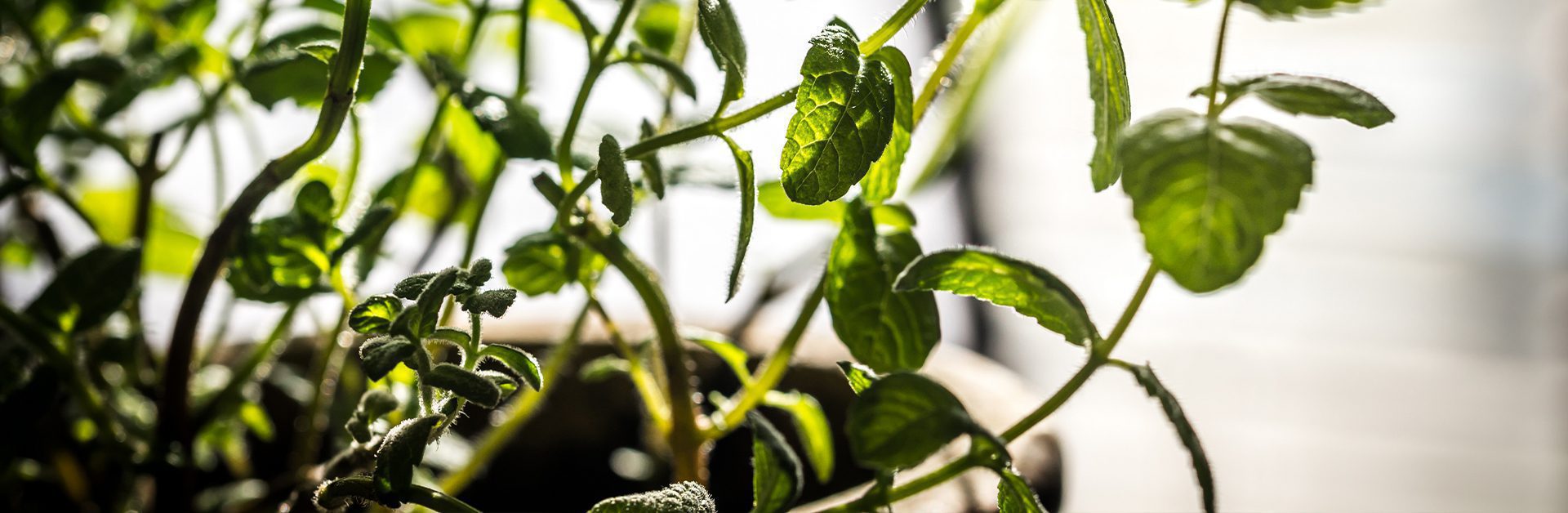
Mint thrives in a variety of climates and soil conditions. Originally native to the Mediterranean and parts of Asia, mint is now cultivated worldwide. Here are some key points about its growing regions:
- Global Cultivation: Mint is grown on every continent except Antarctica. In Europe, the Mediterranean climate provides the ideal warmth and sunshine, while in North America, states like Indiana, Michigan, and Wisconsin are known for producing high-quality peppermint and spearmint.
- Environmental Conditions: Mint prefers moist, well-draining soils and can be grown in full sun or partial shade. In commercial settings, it is often cultivated in controlled environments to maximize essential oil content.
- Home Gardening: Because mint can be invasive—spreading rapidly via underground rhizomes—it’s best grown in containers or with root barriers to keep its expansion in check.
How Is Mint Harvested?
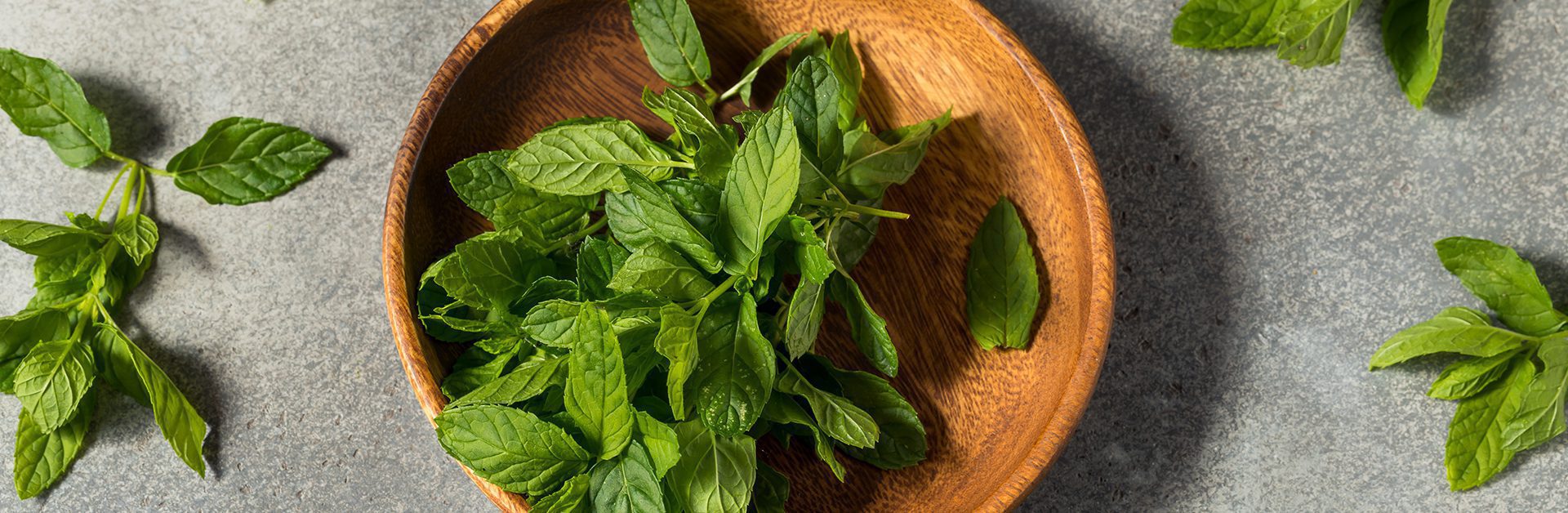
Proper harvesting techniques are essential to maintain mint’s robust flavor and healthful properties:
- Timing Is Key: Harvest mint in the early morning before the plant has flowered. The essential oil content is highest at this stage, ensuring the best aroma and flavor.
- Selective Pruning: Use sharp garden shears to cut the stems just above a leaf node. This encourages bushy regrowth and prevents the plant from bolting (flowering), which can diminish its flavor.
- Harvesting Frequency: To keep the plant healthy, never remove more than one-third of its foliage at a time. Regular, light harvesting not only provides a continuous supply of mint leaves but also controls the plant’s invasive tendencies.
- Post-Harvest Handling: After cutting, mint can be used fresh for teas, salads, and culinary dishes or dried for long-term storage. For drying, spread the leaves in a cool, dark place with good air circulation to preserve the essential oils.
Health Benefits of Mint
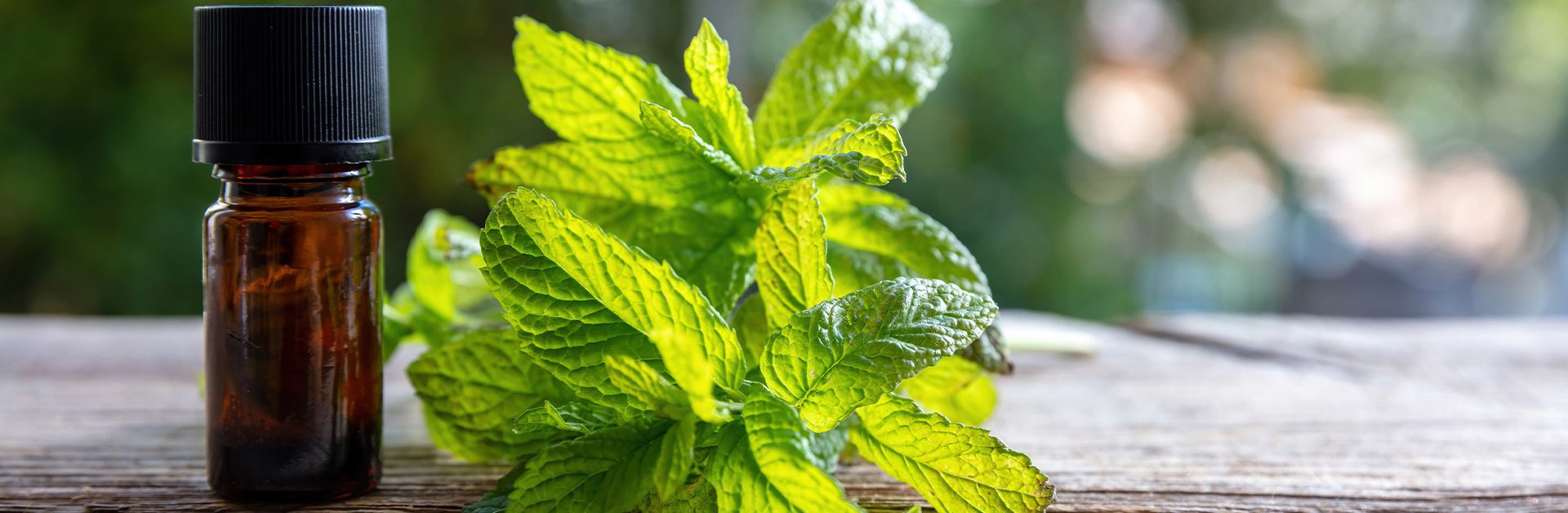
Mint isn’t just a culinary delight—it’s also packed with health benefits. Here are some of the most notable advantages:
- Digestive Aid: Mint is renowned for its ability to soothe the stomach. It helps relax the muscles of the digestive tract, reducing symptoms of indigestion, bloating, and even mild nausea.
- Anti-inflammatory and Antioxidant Properties: Rich in polyphenols (including rosmarinic acid) and flavonoids, mint helps combat oxidative stress and inflammation. This may contribute to overall cellular health and protection against chronic diseases.
- Respiratory Relief: The menthol in mint acts as a natural decongestant, easing breathing by opening up the airways. This makes mint a popular ingredient in cough drops, teas, and inhalants.
- Antimicrobial and Antifungal Effects: Several studies have demonstrated mint’s potential to inhibit the growth of harmful bacteria and fungi, which supports oral health and may reduce the risk of infections.
- Potential Hormonal Benefits: Preliminary research suggests that spearmint tea might help reduce testosterone levels in women with polycystic ovary syndrome (PCOS), potentially alleviating acne and other symptoms.
- Cognitive Boost: Some evidence indicates that inhaling mint essential oils can enhance alertness and improve cognitive performance, though more research is needed to fully understand these effects.
Summary of Scientific Studies
Numerous scientific studies have explored the bioactive compounds and health effects of mint:
- Digestive Health: Clinical trials with peppermint oil capsules have shown significant relief for individuals with irritable bowel syndrome (IBS), likely due to mint’s muscle-relaxing and anti-inflammatory properties.
- Antioxidant and Anti-inflammatory Research: In vitro studies have confirmed that mint extracts possess strong antioxidant activities, helping to neutralize harmful free radicals and reduce inflammation.
- Antimicrobial Studies: Laboratory research demonstrates that mint essential oils can inhibit the growth of various bacterial strains, supporting its traditional use in oral hygiene and food preservation.
- Hormonal Effects: Some studies, particularly on spearmint tea, have reported reductions in free testosterone levels, which may benefit women with PCOS. However, these findings are still emerging, and further research is needed.
- Cognitive and Respiratory Benefits: Animal studies and small human trials have suggested that the aroma of mint can improve cognitive performance and ease respiratory symptoms, though these effects require more extensive clinical investigation.
Additional Noteworthy Aspects
- Culinary Versatility: Mint is a key ingredient in beverages (like the refreshing mint tea and mojitos), sauces, desserts, and even savory dishes. Its cooling flavor complements both sweet and savory recipes.
- Cosmetic and Medicinal Uses: Beyond the kitchen, mint oil is commonly used in toothpaste, mouthwash, and skincare products for its antibacterial and anti-inflammatory properties.
- Invasiveness in Gardens: While mint is a vigorous grower, its invasive nature means gardeners should consider container planting or barriers to prevent it from overtaking other plants.
Conclusion
Mint is a multifaceted herb that offers both culinary and health benefits. Whether you’re harvesting it fresh from your garden or exploring its potential therapeutic properties, mint continues to captivate enthusiasts worldwide. Its ease of cultivation (when managed properly), combined with robust scientific support for its health-promoting compounds, makes it an indispensable herb for both home and commercial growers.
By understanding where mint is grown, how to harvest it at its peak, and the breadth of its benefits—from aiding digestion to offering potential hormonal balance and cognitive support—you can fully harness this herb’s potential. Enjoy mint tea for a calming cup of wellness or add a sprig to your favorite dish to experience its refreshing flavor and health advantages.